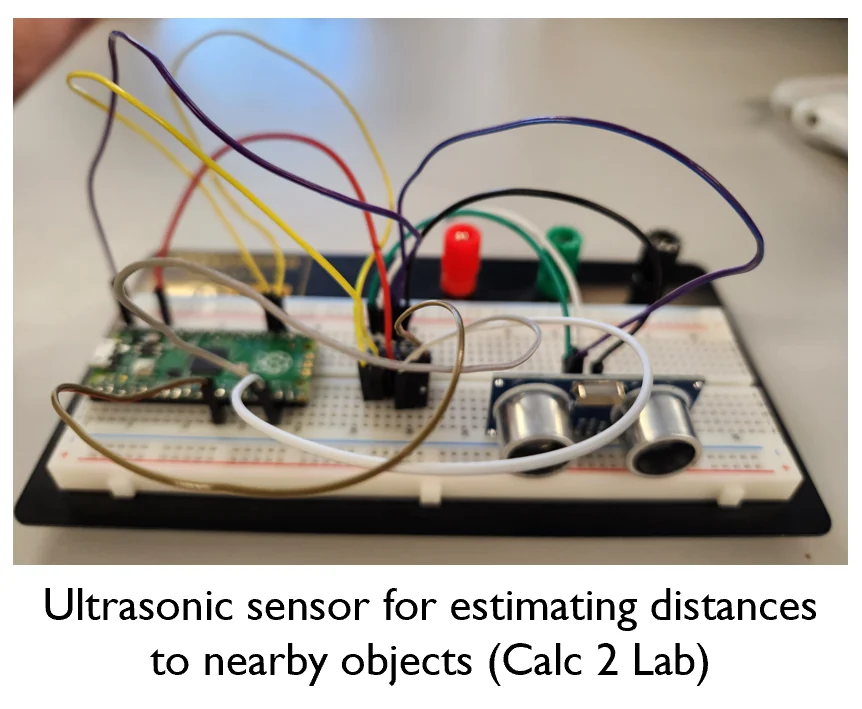
MA 16290: Calculus
Build Python foundations and collect data with sensors while applying differential and integral calculus.
Hands-on data science and scientific computing alongside Purdue mathematics courses
Interdisciplinary one-credit laboratories at Purdue
The Data Science Labs connect calculus, multivariable calculus, signals and systems, and probability to Python, Jupyter notebooks, sensors, microprocessors, and real data.
Build Python foundations and collect data with sensors while applying differential and integral calculus.
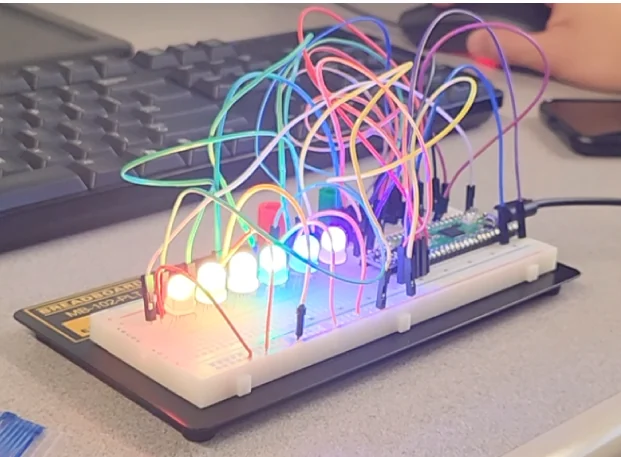
Use vectors, color, images, video, and line integrals in computational laboratory projects.
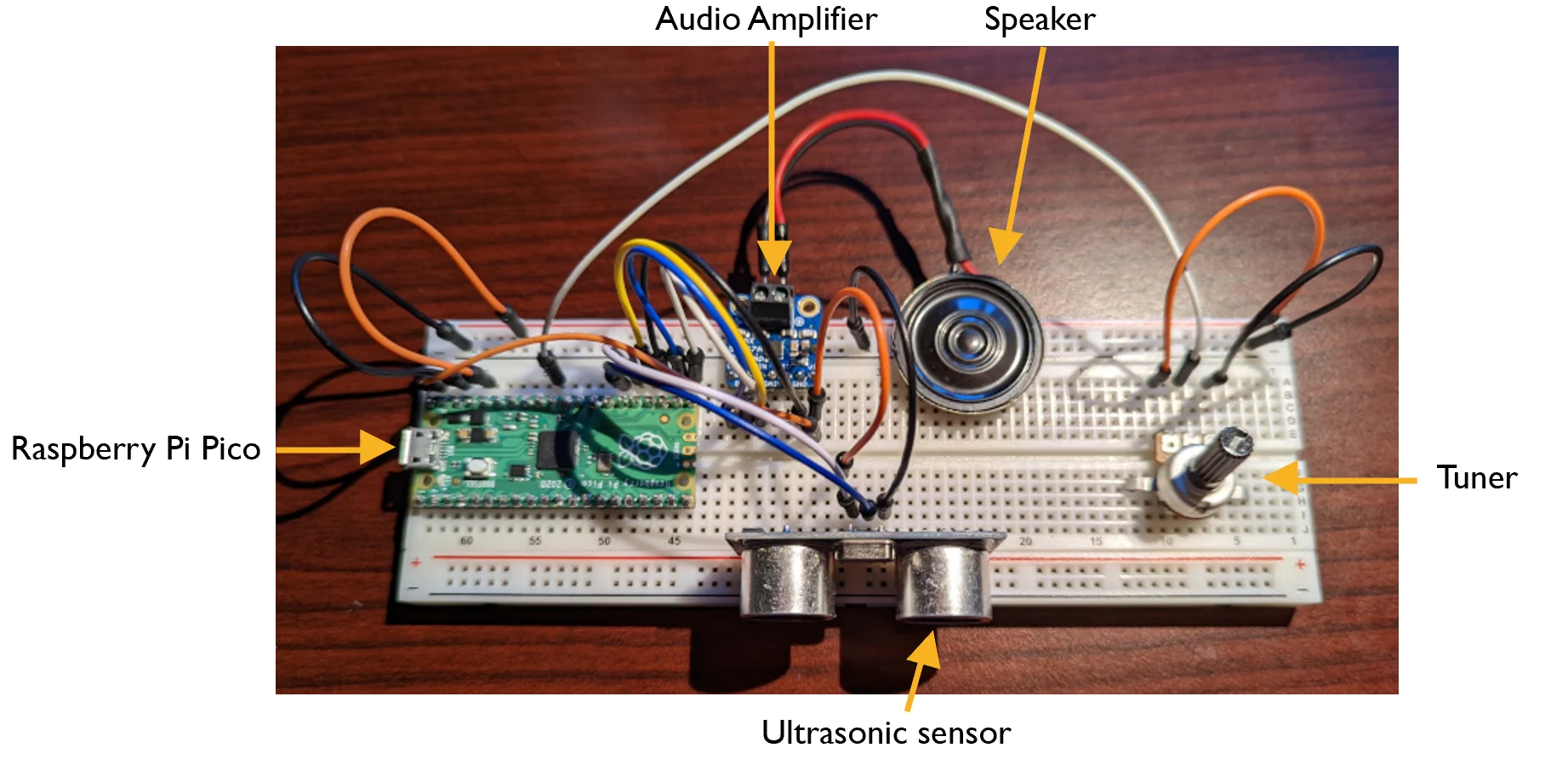
Explore sound, transforms, frequency analysis, and signal processing with Python and hardware.
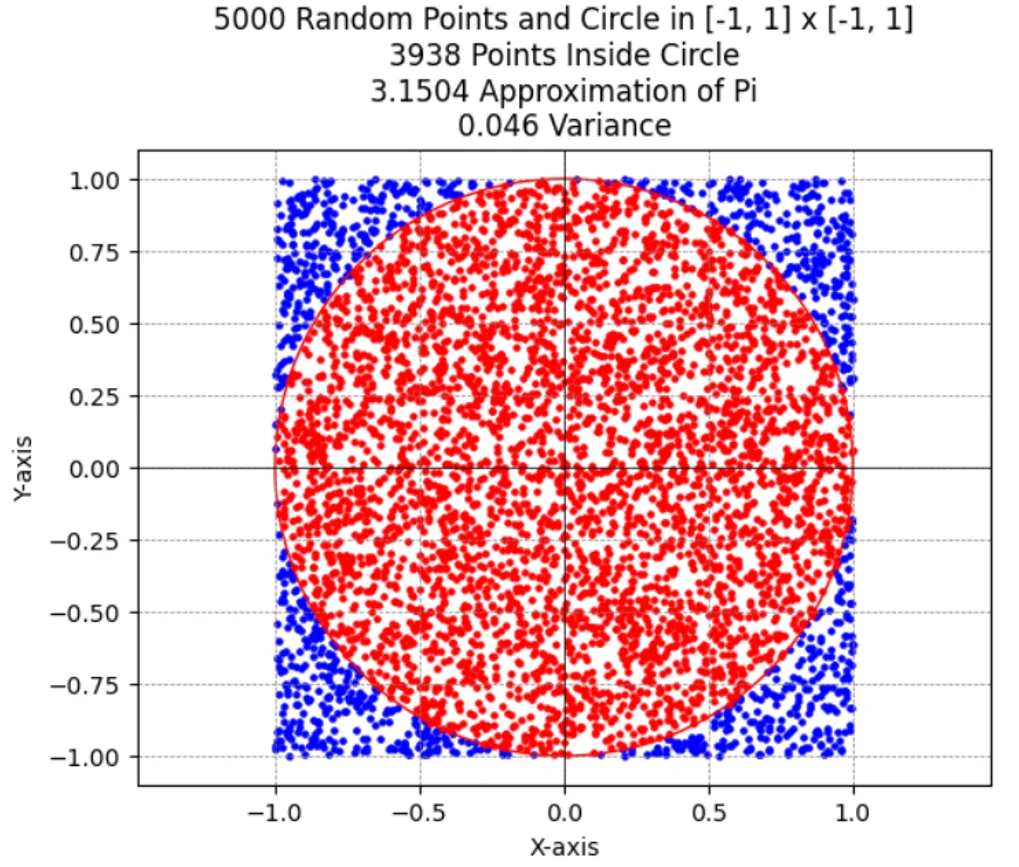
Study random phenomena, image and video data, simulation, and classification through laboratory work.
Every lab follows the same hands-on arc:
Each course is a focused laboratory companion to a mathematics or engineering course.
Students leave with working code, experience with physical systems, and examples they can discuss in future courses and interviews.
Eligible students can use a lab's interdisciplinary projects to support an honors contract in the paired mathematics or engineering course.
The laboratory textbooks are published online and can be explored before registration without a Purdue login.
Find the lab that matches your mathematics or engineering course, then review the Spring 2027 sections and CRNs.
Use the concise advisor guide to match students with a lab and share accurate registration information.